
Quality Living Real Estate Blogs

Multi-Family vs. Single-Family Investments: Which Is Right for Denver?
Real estate investing means using land or buildings to earn a return on the money you put into it. For Denver area investors, the conversation usually narrows to one question: should the first investment be a single-family home or a multi-family property? Both paths can produce rental income and the potential for property value growth, but they demand different levels of involvement, different financing strategies, and different expectations about day-to-day management. There is no single correct answer, because the right choice depends on your timeline, your tolerance for hands-on work, and how much of your own capital you want to put to work.
What Investing in Real Estate Can Offer
Real estate investing can create opportunities for rental income, potential value growth, and possible tax advantages, depending on market conditions. Rental income comes from tenants paying to occupy the property, while value growth means the property itself becomes worth more over time. Tax advantages, when they apply, can reduce the cost of ownership. None of these benefits are guaranteed, and local market conditions in Denver will influence what you can reasonably expect from either a single-family rental or a multi-family building.
Investors also need to understand the difference between direct and indirect real estate. Direct real estate investment means you own and manage the properties yourself. Indirect investment means you put money into a pool of funds that is then used to buy and manage real estate, such as through a real estate investment trust. The direct approach gives you more control but usually requires more time. The indirect approach lowers your hands-on workload but removes some of the personal control over individual properties.
How the Choice Is Framed: Active vs. Passive Investing
Before comparing property types in detail, it helps to decide whether you want to be an active or passive investor. Active investing means owning and managing properties directly, which can open the door to higher potential returns because you control the property's performance. Passive investing through REITs and funds requires less hands-on activity, which appeals to people who want real estate exposure without tenant phone calls or maintenance emergencies.
For a Denver investor, this distinction matters because it shapes which property type is realistic for you. An active investor may be ready to manage a duplex or a small apartment building. A passive investor may be better served by a REIT or a private real estate fund that owns apartment properties. The correct starting point is to determine your investing strategy first, then research the pros and cons of each approach.

Single-Family Investments and What They Involve
A single-family rental is a detached home rented to one household, and it is one of the most common entry points for landlords. Investors can begin by becoming a homeowner first, living in a property, and later renting it out when they move. This path eases the transition from personal homeownership into investing in real estate.
Long-term rental properties are also one of the most frequently used strategies for generating income. A single-family rental typically has one lease and one tenant to manage at a time. That simplicity can be appealing, especially for a first-time landlord in the Denver metro area who wants to learn the business without coordinating several tenants all at once. The trade-off is that your income depends on a single unit, and when the home sits vacant, your rental income stops until a new tenant is found.
Multi-Family Investments and How They Differ
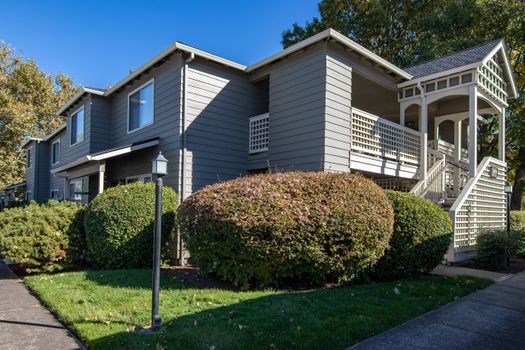
Multi-family investing covers everything from a duplex with two units to larger apartment buildings with many tenants. The defining feature is that the property contains multiple separate living spaces, which means multiple rent payments can come in from a single location. For an active investor, this structure can be attractive because one roof covers several income streams.
Ownership of a duplex or small multi-family building is direct real estate investment, which means you are responsible for managing the property and the tenants who live there. The workload can grow quickly with the number of units. At the same time, a multi-family property can be more resilient when one unit turns over, because other units may still be generating rent while a vacancy gets filled.
Investors who are interested in multi-family real estate but not in direct ownership have another option. Private real estate funds invest directly in real estate properties ranging from warehouses to apartments, which allows you to own a share of larger income-producing buildings without acting as the landlord.
A Practical Comparison for Denver Buyers
| Consideration | Single-Family Rental | Direct Multi-Family | Indirect Options (REITs and funds) |
|---|---|---|---|
| Involvement level | Active landlord work with one tenant and one property | Active management across multiple units in one building | Passive ownership through a professionally managed investment vehicle |
| Income structure | Rental income from one household | Multiple rental payments from separate units | Income tied to the performance of the pooled properties |
| Learning curve | Simpler entry point for a first-time landlord | More complex operations, maintenance, and tenant coordination | Less day-to-day learning but still requires understanding the fund or trust |
| Potential returns | Controlled directly by the owner | Higher potential returns with more active oversight | Depends on the market and the manager |
That table is a simplification. Every property in Denver is different, and your own numbers will depend on the price you pay, the condition of the building, and the rent you can realistically collect. A property that looks good on paper can disappoint if the neighborhood changes, and a modest property can outperform expectations when managed carefully.
Starting Point: The Practical Ways to Begin Investing in Real Estate
If you are ready to start investing in real estate, the research points to several practical entry methods. Some of the best ways to begin are to become a homeowner, invest with REITs, invest with mutual funds or ETFs that hold real estate, and become a landlord. Each of these paths offers a different mix of control, income, and risk.
Becoming a homeowner builds equity while providing a place to live, and it can later convert into a rental property. REITs and real estate mutual funds let you own a piece of income-producing real estate without buying a physical building. Becoming a landlord is the direct route, and for most people that starts with either a single-family rental or a small multi-family property.
The strategy you choose will influence everything that follows, from how much time you spend on tenant issues to how much capital you need to get started. A common recommendation in the available guidance is to determine your strategy first, then research the pros and cons while taking steps to protect your real estate portfolio. In practice, that protection means understanding your local market, keeping reserves for maintenance, and working with professionals who know the area.

Questions Denver Investors Should Ask Themselves
Denver is a distinct real estate market, and general investing advice only gets you so far. Local conditions shape rents, property values, and tenant demand, which means you should evaluate each opportunity against real neighborhood data rather than national headlines. Because every investor has a different financial situation, it is important to run your own numbers and look at properties in person before making a commitment.
Some useful questions to consider: Do you want to live near the property you buy, or can you manage it from a distance? Do you have the time to handle tenant turnover during your busiest work seasons? Would a single-family property with one tenant be less stressful for your first deal, or does a multi-family building with several units better match your income goals? The answers to those questions will help you choose a direction with confidence.
Working with a Denver based residential real estate agency can also make the process clearer. Quality Living Real Estate, led by agent Michael Marino, helps clients buy, sell, and invest in properties across the Denver metro area, including both single-family and multi-family property investment guidance. A local agent who understands your goals can help you compare neighborhoods, evaluate the condition of a building, and connect you with the right professionals for inspections, financing, and property management.
Frequently Asked Questions
What is the difference between active and passive real estate investing?
Active investing means owning and managing properties directly, which gives you more control and the potential for higher returns but requires significant time and effort. Passive investing through REITs or real estate funds involves pooling your money with other investors, and the manager handles the properties. Passive options require less hands-on activity, but you also have less control over individual investment decisions.
How does investing in real estate generate money?
Investors make money in two broad ways. Rental income comes from tenants paying to occupy the property, which can provide a steady stream of cash flow. The second way is through property value growth, where the real estate itself increases in value over time. Real estate investing can also offer possible tax advantages depending on market conditions and how the property is owned and used.
What are the simplest ways to start investing in real estate?
Some of the best ways to begin are to become a homeowner, invest with REITs, invest with mutual funds or ETFs that focus on real estate, and become a landlord. Becoming a homeowner is often the most familiar starting point, while REITs and mutual funds offer a lower commitment approach. Becoming a landlord is the most direct path but requires the most responsibility.
Is a single-family or multi-family property better for a first-time investor?
There is no universal answer, since the best choice depends on your budget, your time, and your comfort with management. A single-family rental gives you one tenant and a simpler learning curve. A multi-family property can offer multiple rental payments from one building but adds management complexity. First-time investors should talk with a local real estate professional and run the numbers on both options.
For Denver investors, the decision between single-family and multi-family real estate is less about finding the universally superior property and more about matching the investment to your own goals. If you prefer a simpler introduction and you are comfortable managing one tenant relationship, a single-family rental may be the right place to begin. If you want multiple income streams under one roof and you are ready for a more active landlord role, a small multi-family building deserves serious consideration. And if you want the financial exposure to real estate without direct ownership, REITs, real estate mutual funds, and private funds give you effective alternatives. Speak with a local adviser, research current market conditions, and start with a strategy that fits your life, because a thoughtful first step matters more than chasing the perfect deal.

Facebook
Instagram
LinkedIn