
Quality Living Real Estate Blogs

Commercial Real Estate vs. Residential: Key Investor Differences
The word commercial gets used loosely in real estate conversations, and that looseness causes real confusion for investors. Someone hears a neighbor's house was "listed as commercial," or sees a small retail strip for sale and wonders whether it counts as an investment property at all. The useful starting point is the definition itself. Commercial real estate refers to properties used exclusively for business purposes, a category that runs from office buildings and retail centers to industrial warehouses and hotels.
Residential real estate, by contrast, is built around people living in the space. That single distinction shapes almost everything else: how properties are leased, who the tenants are, how deals are sourced, and what a buyer needs to assemble before closing. Understanding where the line sits, and where it occasionally blurs, helps investors choose the path that matches their goals instead of drifting into one by accident.
What Commercial in Real Estate Actually Means
Definitions from major sources line up closely. The Steers Center for Global Real Assets at Georgetown describes commercial real estate as properties used exclusively for business purposes, spanning office buildings, retail centers, industrial warehouses, and hotels. Investopedia's definition adds an income layer, describing properties specifically designated for business and income-generating activities, including offices, retail spaces, and industrial properties.
That income framing matters because it explains why the category attracts investors in the first place. CrowdStreet describes commercial real estate as an asset class covering everything from apartment complexes to package sorting warehouses, and sizes it at roughly $20.7 trillion. That figure alone explains why so much capital, from individual investors to large institutions, competes for these properties.
So when the term commercial in real estate comes up, it is not describing a style of building or a price point. It is describing use. A modest storefront and a towering office building belong to the same family because both exist to support business activity rather than housing a household.
Which Properties Count as Commercial
The list of property types that fall under the commercial umbrella is broader than most newcomers expect. Drawing from the source material, it includes:
- Office buildings and office space available for lease
- Retail stores, retail centers, and malls
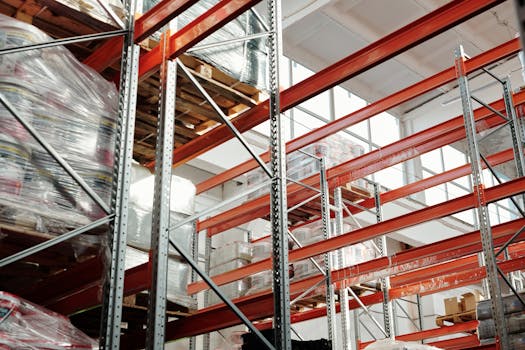
- Industrial properties and warehouses
- Package sorting warehouses and distribution facilities
- Hotels
- Medical centers
- Multifamily housing buildings and apartment complexes
- Farm land
- Garages
Commercial listings are typically marketed either for sale or for lease, and search platforms group them into familiar buckets such as office, retail, and industrial. That structure tells you something useful about the market: commercial deals are frequently about occupancy rights and lease terms rather than a straightforward transfer of a home from one owner to the next.

Where the Residential Line Falls
Residential property exists to be lived in. Commercial property exists to conduct business, generate income, or both. In practice, most properties sort cleanly into one bucket or the other, which is why the two markets developed separate brokers, separate lending practices, and separate listing systems.
The line is not always perfectly sharp, though. One source notes that if a single building or property contains two physical establishments, it can be considered a commercial and residential property at certain times. A structure with a business on the ground floor and living space above is the classic version of that overlap.
Neighborhood context can blur things further. Consider a small retail strip sitting in an area that has seen a boom in home sales. To a residential buyer, it is just the corner shops. To an investor, it is a commercial asset whose value is tied to the businesses operating inside it and the demand for those storefronts.
Differences That Matter Most to Investors
Who Occupies the Property
Residential tenants are households. Commercial occupants are businesses, whether that is a medical practice, a retailer, a logistics operator, or a hotel operator. That changes the nature of the relationship, the expectations placed on ownership, and the way a vacancy is filled. A vacant apartment appeals to individual renters. A vacant commercial unit appeals to business owners evaluating location, layout, and customer traffic.
How Income Arrives
Commercial real estate is defined in part by income-generating activity, which puts the performance of the businesses inside the building close to the center of the investment case. Residential income tends to track local housing demand and household budgets. Both can produce steady cash flow, but they respond to different pressures, and investors should understand which pressure they are actually underwriting.
How Deals Are Sourced and Structured
Commercial opportunities are often listed for sale or for lease through dedicated commercial platforms, which is a different search process than browsing residential listings. Rocket Mortgage's beginner guidance frames buying commercial property around four tasks: choosing the right asset, securing financing, building the right team, and negotiating a deal that aligns with your objectives. That team element is worth noting. Residential purchases rarely require assembling outside expertise, while commercial transactions frequently involve several professionals working together.
Scale and Competition
The asset class is enormous, and that scale cuts both ways. More capital means more competition for desirable properties, but it also means more transparency, more available data, and more specialized service providers who work in the space full time.
Multifamily Sits in Both Worlds
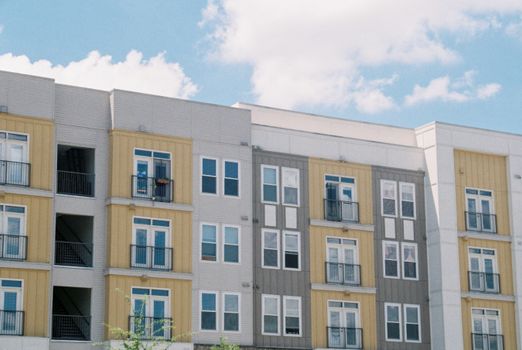
Multifamily housing buildings and apartment complexes appear on commercial property lists, which surprises people who think of apartments as purely residential. The reason goes back to use and income. A multifamily building houses households, yet it functions as an income-producing asset held by an investor, which places it inside the commercial conversation.
This overlap is practical rather than academic. For investors in the Denver metro area, multifamily property often serves as the bridge between a residential portfolio and a commercial one, letting an investor work with a familiar tenant type while operating an asset that is discussed and valued in commercial terms. Quality Living Real Estate supports clients buying, selling, and investing across the Denver metro, including single-family and multi-family investment guidance, which means these conversations come up regularly with local clients weighing their next move.
What Buying Commercial Property Involves
The beginner path described by Rocket Mortgage runs through asset selection, financing, team building, and negotiation. Each step behaves differently than its residential counterpart. Asset selection requires deciding which property type fits your strategy, because an office building, a warehouse, and a retail strip carry very different operating realities. Financing introduces lenders who specialize in business properties rather than home loans. Team building means lining up the professionals who can evaluate a deal properly. Negotiation centers on terms that align with your stated objectives, not simply on reaching a purchase price.
Because requirements, lender expectations, and local rules vary and change, verify current details with the relevant professionals and official sources before committing capital. Nothing in a general overview replaces specific guidance on your situation.
Choosing Between the Two
Start with the question of use. If you want to house people and work with household tenants, residential property is the natural fit. If you want to house businesses and evaluate income-generating operations, commercial property is the better match. If you are drawn to multifamily, you are working in the overlap, and you should expect to think in both languages.
Then examine your tolerance for complexity. Commercial deals tend to require more moving parts, more outside expertise, and more upfront analysis. Residential deals tend to be more standardized, more familiar, and easier to compare against nearby sales. Neither path is superior. They simply reward different strengths, and the investors who do well are usually the ones who picked a lane on purpose instead of falling into one.
Frequently Asked Questions
What does commercial in real estate mean?
It refers to properties used for business purposes rather than for living. The Steers Center for Global Real Assets at Georgetown defines commercial real estate as properties used exclusively for business purposes, including office buildings, retail centers, industrial warehouses, and hotels. Investopedia's definition adds that these properties are designated for business and income-generating activities.
Can a property be both commercial and residential?
Yes. One source explains that if a single building or property has two physical establishments, it can be considered a commercial and residential property at certain times. A building with a business on one level and living space on another is the common example. Mixed-use arrangements like this are why use, not appearance, determines the category.
Which property types count as commercial?
Common examples include office buildings, medical centers, hotels, malls, retail stores, multifamily housing buildings, farm land, warehouses, and garages. Package sorting warehouses and apartment complexes also fall into the commercial category. If you are unsure where a specific property lands, check the listing details and confirm the classification with the listing agent or your local planning office.
Why would a house be listed as a commercial property?
Classification usually follows use rather than structure. A home used for a business, or a building split between a business and living space, can be categorized differently than a typical residence. Listings do not always explain the reasoning, so ask the listing agent directly and confirm the current designation with the appropriate local office before making any decision.
Is commercial real estate a large asset class?
It is substantial. CrowdStreet describes commercial real estate as an asset class covering everything from apartment complexes to package sorting warehouses, and places it at roughly $20.7 trillion. That scale means significant competition for quality properties alongside a deep pool of data, specialized lenders, and service providers who focus on commercial deals full time.

Facebook
Instagram
LinkedIn